
Why is food important during menopause?
October 17, 2026
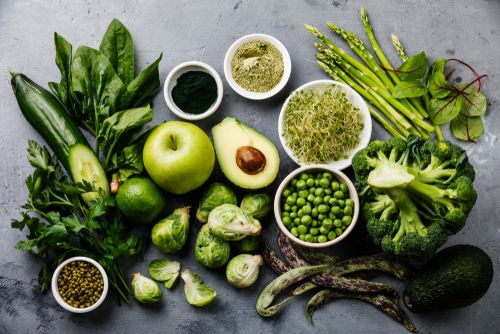
Ever noticed how your body seems to have a mind of its own during menopause? One minute you're feeling great, the next you're battling a hot flush or trying to remember why you walked into a room. It's not just your imagination; those shifting hormones really do impact everything, including how your body uses and responds to the food you eat. So, it's no surprise that what you put on your plate can play a surprisingly big role in how you feel.
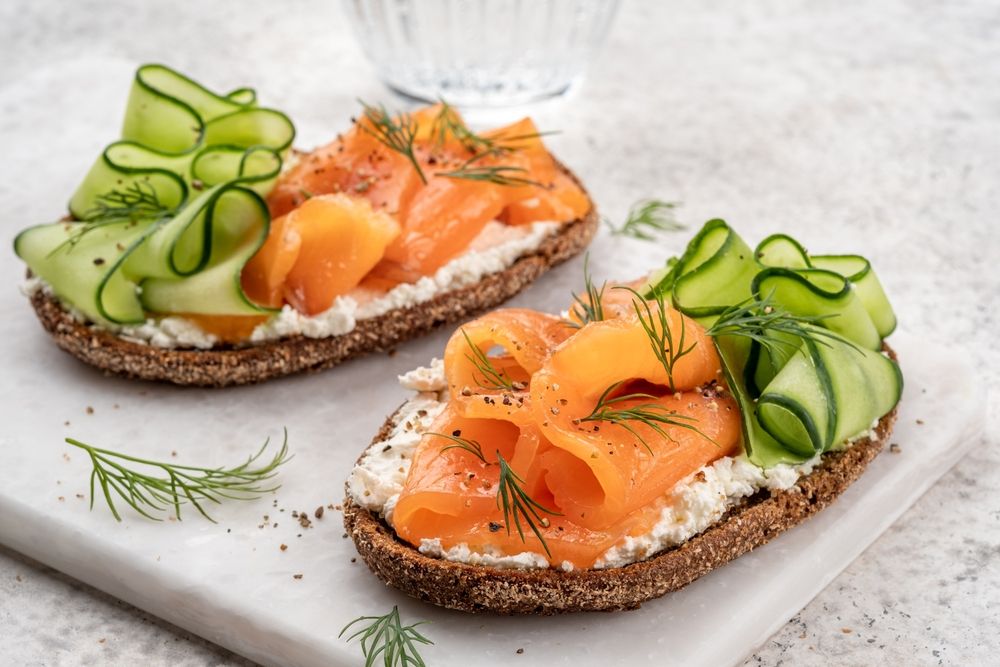
Why does food matter so much now?
During menopause, your oestrogen levels start to decline, and this change can affect various systems in your body. It's not just about hot flushes and night sweats (vasomotor symptoms); it can also influence your metabolism, bone density, heart health, mood, and even how well you sleep. Your body's needs shift, and what might have worked for you before might not feel quite right anymore. Think of it as your internal operating system needing a bit of a software update.
This is why paying attention to your diet becomes even more crucial. Making informed food choices can help ease some of these changes, support your overall wellbeing, and give you more energy to get on with your day.
What should you be eating?
It's not about restrictive diets or complicated meal plans; it's about making smart, nourishing choices that support your body's new demands. Here are a few things to focus on:
- Protein: As we get older, we can lose muscle mass, and menopause can speed this up. Eating enough protein helps maintain your muscles, keeps you feeling full, and supports your metabolism. Think lean meats, fish, eggs, dairy, beans, and lentils.
- Calcium and Vitamin D: Bone health is a big one during menopause because declining oestrogen can lead to bone density loss, increasing the risk of osteoporosis. Dairy products, leafy green vegetables, fortified plant milks, and fatty fish are great sources of calcium. Vitamin D, often from sunlight or supplements, helps your body absorb calcium.
- Fibre: This unsung hero is vital for gut health, which can sometimes be a bit sluggish during menopause. Fibre also helps manage blood sugar levels, which can impact your energy and mood, and contributes to a healthy weight. Load up on fruits, vegetables, wholegrains, nuts, and seeds.
- Healthy Fats: Don't be afraid of fats! Healthy fats, found in avocados, nuts, seeds, and olive oil, are important for hormone production and brain health. They can also help keep your skin feeling more supple.
- Hydration: It sounds simple, but drinking enough water is incredibly important. It helps with everything from managing hot flushes to keeping your digestion regular and supporting your skin's health. Keep a water bottle handy and sip throughout the day.
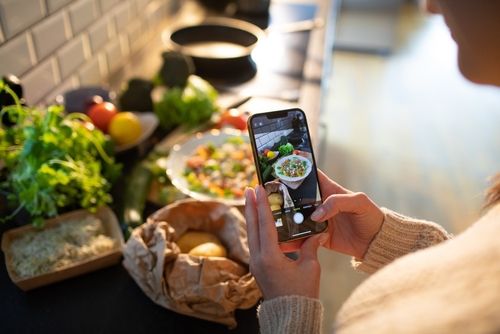
Practical swaps for everyday life
Making small changes can add up to a big difference. You don't need to overhaul your entire kitchen overnight. Instead, try these simple swaps:
- Swap refined carbs (like white bread and sugary cereals) for wholegrain versions (wholemeal bread, oats, brown rice). This helps stabilise blood sugar and provides more fibre.
- Add extra vegetables to every meal. Throw a handful of spinach into your scrambled eggs, add more colourful veg to your stir-fry, or snack on carrot sticks.
- Choose lean protein sources and include them in each meal. A small portion of chicken or fish at lunch, or a handful of nuts as a snack, can make a difference.
- Be mindful of triggers for hot flushes. For many women, spicy foods, caffeine, and alcohol can make flushes worse. You don't have to cut them out entirely, but noticing if they affect you can help you manage them.
Taking the time to think about what you eat isn't just about managing symptoms; it's about giving your body the best fuel to thrive during this new phase of life. It’s about feeling good, having energy, and supporting your long-term health.
Please remember, the information in this article is for general guidance only and isn't a substitute for personalised medical or clinical advice. Always speak to your GP or a qualified healthcare professional for advice specific to your individual health needs.
If you'd like to know more about becoming a Licensed Champion, please enquire here.Enquire now